
Heavy arterial blood loss requires immediate attention and calm action. Quick response techniques can help reduce blood loss, support circulation, and improve safety until professional medical care becomes available. What is the most effective way to stop an arterial bleed when there is no object still in the wound? Knowing the right methods and following simple steps can make emergency care more effective and organized.
Recognize the Signs of Arterial Bleeding
Arterial bleeding is usually severe and easy to identify. Early recognition allows faster response and better control.
Common Warning Signs
- Bright red blood flowing rapidly
- Blood spurting with each heartbeat
- Large amounts of blood loss within seconds
- Weakness or dizziness in the injured person
- Pale or cool skin
- Rapid breathing or confusion
Prioritize Personal Safety First
Before helping, make sure the area is safe for both the responder and the injured person.
Important Safety Measures
- Check for traffic, sharp objects, or electrical hazards
- Wear protective gloves if available
- Keep the injured person still and calm
- Avoid unnecessary movement of the wounded area
A calm environment helps improve focus and reduces panic during treatment.
Apply Immediate Direct Pressure
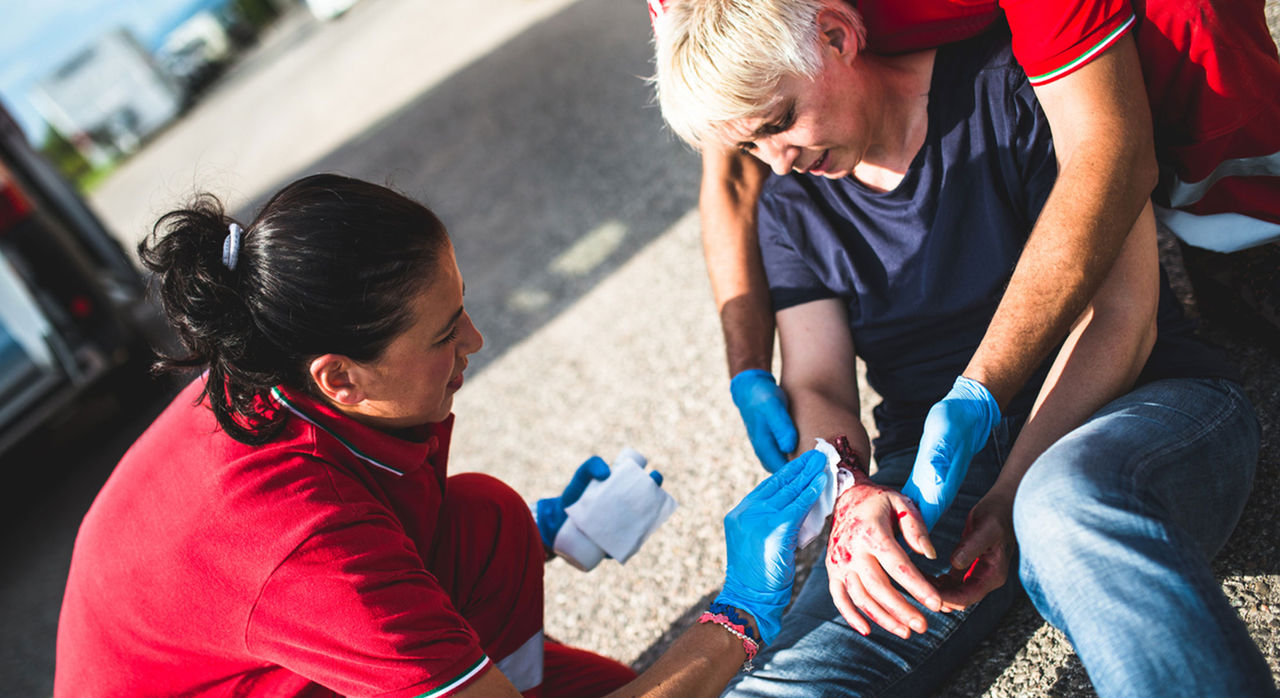
Direct pressure is one of the fastest and most reliable methods for controlling heavy bleeding.
How to Use Direct Pressure
- Place a clean cloth, dressing, or fabric over the wound
- Press firmly using both hands
- Maintain constant pressure without lifting the material
- Add extra layers if blood soaks through
- Continue pressure until bleeding slows significantly
Steady pressure helps compress damaged blood vessels and encourages clot formation.
Elevate the Injured Area When Possible
Raising the wounded limb slightly above heart level may help reduce blood flow to the area.
Helpful Elevation Tips
- Support the limb carefully
- Avoid bending the injured area excessively
- Stop elevation if it causes severe pain
- Continue direct pressure while elevating
This method works best alongside other bleeding control techniques.
Use a Tourniquet Correctly
For life threatening limb bleeding that cannot be controlled with pressure alone, a tourniquet may help save a life.
Proper Tourniquet Guidelines
- Place it several inches above the wound
- Tighten until bleeding stops
- Secure it firmly to prevent loosening
- Record the application time if possible
- Avoid placing it directly over joints
Proper application can significantly reduce dangerous blood loss during emergencies.
Keep the Injured Person Stable
Supporting the person physically and emotionally is very important during severe bleeding situations.
Ways to Improve Stability
- Encourage slow and steady breathing
- Keep the body warm with a blanket or clothing
- Lay the person flat if dizziness occurs
- Avoid giving food or drinks
- Monitor alertness and breathing continuously
Comfort and reassurance may help reduce stress and improve overall response.
Know When to Seek Emergency Help
Heavy arterial blood loss always requires urgent professional care, even if bleeding appears controlled.
Situations Requiring Immediate Assistance
- Bleeding does not stop after pressure
- Blood loss becomes excessive
- The injured person becomes unconscious
- Breathing difficulties develop
- Signs of shock appear
Quick communication with emergency responders improves the chances of safe recovery.
Fast and reliable bleeding control methods can make a major difference during serious emergencies. Recognizing the signs, applying direct pressure, using supportive techniques, and staying calm are essential actions that improve safety and care. Learning these practical methods builds confidence and helps people respond effectively when every second matters.