
Luxury rail isn’t “a nicer train.” That’s like calling a tasting menu “food.” Same category, totally different intent.
Standard rail travel is built around throughput: get people from A to B, on time, at scale. Luxury rail tours are engineered around experience density, how many moments per hour feel quietly elevated, unhurried, and (frankly) a little unreal.
One-line truth: you stop traveling through time and start traveling with it.
The premium feel: not speed, not marble… control
Here’s the thing: most people assume “premium” means flashy materials, bigger cabins, louder branding. On a good luxury train, it’s the opposite. The design goal is controlled calm, something the best luxury rail tours understand exceptionally well.
You feel it in small mechanics:
– doors that close with a soft, weighted click
– sound that doesn’t bounce (soft goods matter more than gold trim)
– lighting that’s warm, layered, and doesn’t scream “hotel corridor”
– temperature that stays steady even when the weather can’t make up its mind
And yes, the materials help, polished wood, brass, leather that doesn’t smell like a showroom, but those are just evidence of a deeper obsession: frictionless living in motion.
In my experience, the best luxury rail operators spend more effort eliminating annoyances than adding “amenities.” Nobody raves about a fancy lamp if the cabin rattles all night.
A quick, slightly technical detour: why trains can feel so smooth
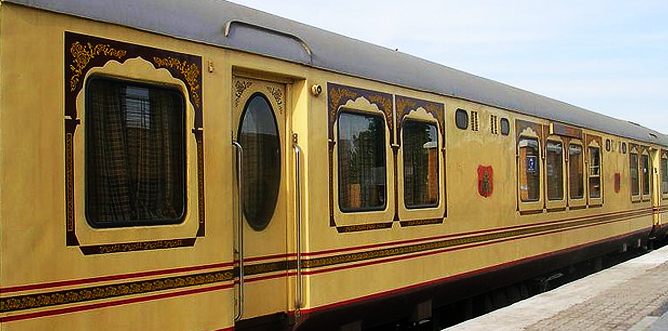
Steel wheels on steel rails have extremely low rolling resistance. That’s one reason trains can feel gliding rather than grinding, when the track is maintained well and the suspension is tuned for comfort instead of capacity.
A useful data point (because marketing fluff is cheap): rail is also energy-efficient. The International Energy Agency notes that rail carries around 8% of global passenger travel while using about 2% of transport energy (IEA, The Future of Rail, 2019). That doesn’t automatically make your trip “luxury,” but it explains why rail can deliver long-distance travel without the sensory fatigue people associate with airports.
Private space that’s actually private (not “privacy theater”)
Do you really need a private cabin? If you’re taking a luxury rail trip, I’m going to say yes, strongly.
Because privacy on trains isn’t just about having a door. It’s about having a buffer from the group rhythm. You can read, nap, take a call, stare out the window for 40 minutes like a Victorian poet, and nobody’s policing your mood.
Now, this won’t apply to everyone, but… shared luxury spaces can get socially loud. A private compartment gives you an off-switch.
A small cabin done right feels bigger than it is. Not because it’s spacious, but because it’s composed:
– storage that’s where your hands expect it to be
– seating that supports your back (not just your Instagram)
– sound dampening that turns motion into background, not interruption
Service: discreet, slightly psychic, never clingy
On standard rail, staff are typically managing safety, ticketing, and logistics. On luxury rail, the staff are running something closer to a moving boutique hotel, except the environment is changing every minute.
The best service style is anticipatory:
– coffee appears before you start hunting for it
– your table “just happens” to be ready when the scenery peaks
– housekeeping doesn’t barge in with a cart and a smile you have to reciprocate
Look, I’ve seen service ruin a high-end trip simply by being too present. Luxury rail, when it’s done properly, feels like the crew is conducting behind a curtain.
Chef-curated dining: not just “good for a train”
This is where the gap widens.
A standard train meal is often a convenience product, heated, packaged, predictable. Luxury rail dining is paced, plated, and matched to the day’s rhythm. Meals become anchors: lunch as social energy, dinner as ceremony, breakfast as soft re-entry into the world.
And the pacing matters more than the menu.
You’re not eating quickly because the next connection is looming. You’re eating slowly because the view outside is part of the course. I know that sounds poetic, but it’s operationally true: luxury itineraries are built to protect the dining experience, not the other way around.
(Also: linen and real cutlery shouldn’t be a flex, yet here we are.)
Itinerary and pacing: the hidden luxury nobody talks about
A luxury rail tour lives or dies by tempo.
On regular rail, time is a constraint. On luxury rail, time is a design material. Long stretches between stops let you sink into a book, a conversation, a nap that doesn’t feel stolen. Stops aren’t just functional; they’re curated so you step off into something that feels like it belongs in the story.
Some trips lean scenic, panoramic lounges, daylight routing, “window time” protected like a spa appointment. Others lean cultural, private tastings, guided walks, heritage sites with a guide who can actually tell a narrative.
Evenings usually have a reliable cadence: cocktail hour, dinner, a lounge moment, then retreat. Predictable in a comforting way, not a boring one.
Seamless transitions (the part you only notice when it’s missing)
Transfers are where most travel bleeds energy. Luxury rail tries to cauterize that leak.
Bags disappear and reappear where they should. You move between lounge and dining car without a bottleneck. Excursions don’t feel like cattle calls. The whole operation is designed so you don’t keep “restarting” your day every time something changes.
A short section, because it’s simple:
You stay in the mood.
That’s the luxury.
Design you can feel: tactile, quiet, slightly old-world on purpose
Luxury rail design usually borrows from heritage aesthetics, wood, brass, vintage fixtures, because rail has lineage and it looks good when it’s respected. But the smart operators don’t cosplay the past. They use the old-world vibe to create warmth, then hide modern performance underneath: insulation, lighting control, ventilation, reliable Wi‑Fi (sometimes), and bathrooms that don’t feel like a compromise.
What you notice with your body:
– upholstery that doesn’t trap heat
– a seat that supports your legs, not just your posture
– ambient noise that stays at “hush,” even at speed
– windows designed for lingering, not glancing
If the interiors are shouting, someone missed the point.
All-inclusive value: what’s included, and the little traps
This varies wildly by operator, route, and cabin class, so don’t assume anything. Ask for the inclusions list in writing. Yes, really.
Usually included on true luxury tours:
– full board dining (often with regional influence)
– onboard beverages (sometimes with limits on premium labels)
– hosted service and housekeeping
– off-train excursions with guides
– transfers between station and hotels/lodges (route dependent)
Often not included (and this is where people get salty):
– top-shelf wines/spirits beyond the house selection
– ultra-private excursions (the “two-person only” stuff)
– spa treatments or specialty workshops
– gratuities (sometimes bundled, often not)
– pre/post hotels unless explicitly packaged
Opinionated take: if a company calls itself “luxury” but plays games with hidden extras, I mentally downgrade it. Transparency is part of the product.
Picking the right luxury rail experience (a fast checklist that works)
If you’re comparing trips, don’t start with brand prestige. Start with what you want your days to feel like.
A quick set of checks I use:
– Route design: Are the best landscapes scheduled in daylight, or are you paying for darkness?
– Cabin reality: Actual square footage and bathroom setup, photos can be… optimistic.
– Pace: How many hours on board per day, and do you like that amount of togetherness?
– Excursion style: Private/small-group or big bus energy?
– Dining philosophy: Local sourcing and fresh prep, or generic luxury cues?
– Inclusions clarity: Can they tell you exactly what you’ll pay, end-to-end, without hand-waving?
If the operator can’t answer those cleanly, the experience usually won’t feel clean either.
Luxury rail tours stand apart because they treat travel as an art form with logistics behind it, tight, disciplined, almost invisible. You aren’t just transported. You’re held by the journey. And if that sounds dramatic, well… the good ones are.